
Understanding November Ground Conditions for Drilling: What You Need to Know
Key Takeaways
- Grasping November terrain situations for drilling
- Readying for drilling activities in November
- Obstacles associated with November drilling tasks
- Optimal methods for November drilling operations
Understanding November Ground Conditions for Drilling
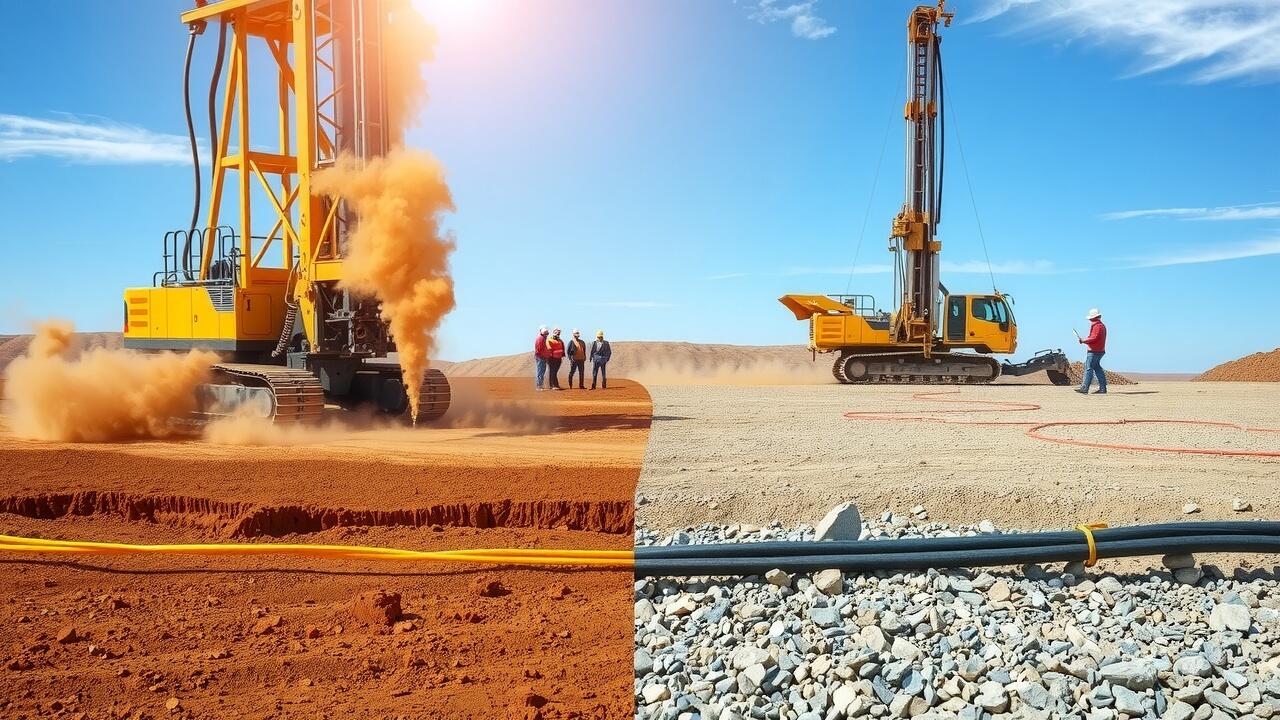
November ground conditions for drilling present unique challenges for drillers due to colder temperatures and the potential for soil compaction. As temperatures drop, soil often becomes heavier and less stable, affecting the performance of drilling rigs and the efficiency of rotary drilling methods. A thorough geotechnical investigation is crucial for assessing these conditions, as it helps identify how hydraulic oil might be impacted by colder weather. Drillers must ensure that their equipment, including drill rigs, is equipped to handle the nuances of November ground conditions for drilling, allowing for effective and safe operations. Proper preparation and understanding of the soil dynamics during this season are essential for successful well drilling and minimizing disruptions.
Factors Influencing Ground Stability
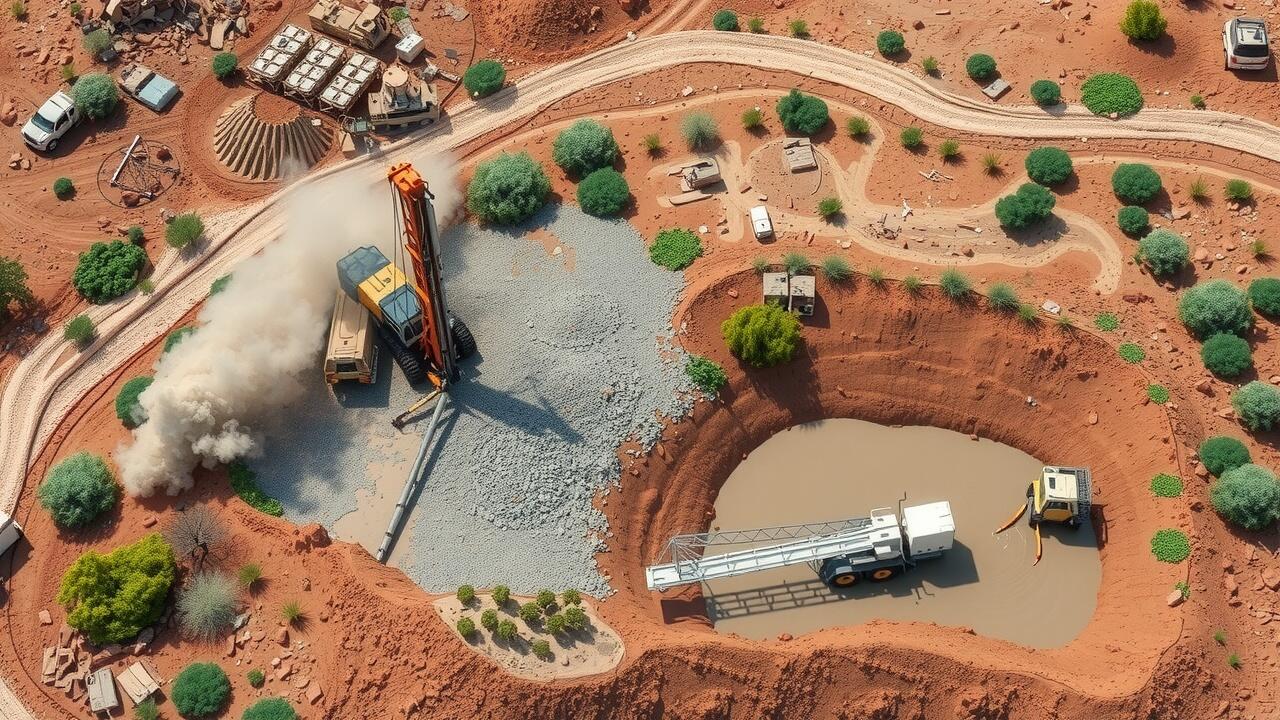
Ground stability is significantly affected by November ground conditions for drilling. As the temperatures drop, soil types undergo changes that impact their load-bearing capacity. The presence of groundwater plays a crucial role, especially when the soil is saturated. This saturation can destabilize the ground around boreholes, making it essential to closely monitor groundwater levels. The choice between deep wells and shallow wells often depends on the soil composition, which determines the effectiveness of hydraulic systems used with drills.
Weather conditions in November can introduce further complexities to ground stability. Frost may create a layer of frozen soil that affects the drilling process, particularly for shallow wells. Hydraulic fluids intended for hydraulic systems must be suitable for colder temperatures to prevent equipment failure. Hoses may require special considerations as well, as cold weather can affect their flexibility and function. Understanding how these factors interplay is vital for successful drilling operations in November.
Temperature and Its Effect on Soil Properties
November ground conditions for drilling are significantly affected by operating temperatures. As temperatures drop, moisture levels in the soil can change, impacting groundwater levels and the overall health of the soil. This can lead to challenges such as increased compaction and reduced workability, particularly when working with sandy soils or areas covered in snow. Construction activities must adapt to these conditions, including effective snow removal to ensure machinery can operate safely and efficiently.
Cold temperatures can also create safety hazards for personnel and equipment. Weeds, grass, and other vegetation may die off, altering the soil composition and potentially revealing hidden issues beneath the surface. Maintenance of drilling equipment becomes crucial during this time, especially in ensuring that machinery remains functional in freezing conditions. Understanding these effects is essential for successful drilling operations in November, as they dictate necessary adjustments and preparations.
Preparing for Drilling in November
Successful drilling operations in November heavily depend on thorough preparation and a comprehensive understanding of the specific ground conditions. Effective site assessment techniques are essential to evaluate the soil stability, particularly as temperature variations can significantly influence soil properties. Properly chosen foundation drilling equipment helps mitigate challenges posed by the cold, ensuring that the drilling process remains efficient. Early-hour drilling can be particularly advantageous, as it allows teams to work in optimal conditions before the temperatures drop. Utilizing top-quality foundation drilling tools not only enhances drilling depth accuracy but also ensures the safety of personnel involved in pre-drilling tasks. All these factors contribute to a smooth and productive drilling experience, whether it’s early drilling or late drilling. Awareness of November ground conditions for drilling is key to achieving success in winter drilling scenarios.
Site Assessment Techniques
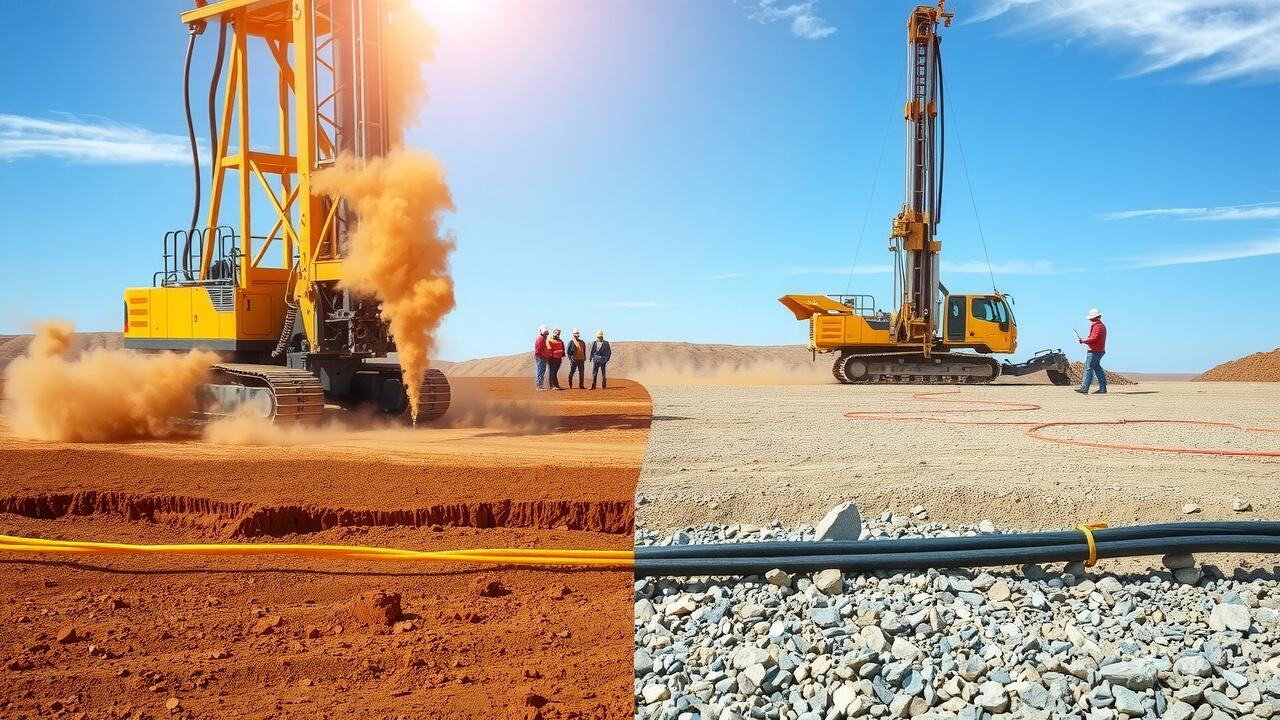
Assessing site conditions in November is crucial for ensuring the success of geotechnical drilling operations. Understanding November ground conditions for drilling helps determine the drilling suitability, influencing the selection of heavy drilling equipment. Conducting thorough site assessments allows teams to establish an optimal drilling date, which can significantly impact the overall drilling process. By evaluating soil properties and existing environmental factors, operators can enhance the efficiency of their drilling projects, making the drilling process smoother and reducing the risk of complications.
Utilizing advanced site assessment techniques is essential for planning high-impact drilling activities during the colder months. Early drilling means that geotechnical drilling needs are met with precision and care, ensuring that heavy drilling rigs are deployed strategically. Recognizing how November ground conditions for drilling can affect soil behavior assists in tailoring the drilling strategy. Efficient drilling practices during this time lead to successful completion of geotechnical drilling projects while minimizing disruptions to local populations, ultimately leading to favorable outcomes for all stakeholders involved.
Recommended Equipment for Cold Weather Drilling
Selecting the right equipment is crucial for navigating challenging November ground conditions for drilling. Well-drilling companies often encounter hard ground and frozen soil, which can lead to substantial drilling delays. A reliable rig with adequate torque and power is essential for penetrating icy ground. Special drill components designed for cold weather can enhance performance and ensure effective drilling through borehole shafts, even in less than ideal conditions. Few drillers can afford to lose valuable time in their drilling windows, making the choice of equipment a key factor in successful operations.
Cold weather presents unique challenges, and driller preparation should reflect this reality. Equipment suited for wet ground conditions should also be capable of handling transitions as temperatures drop. Companies need to invest in rigs that can efficiently operate in harsh weather, including those that can adapt quickly to shifting ground conditions. By ensuring their teams are equipped with the right tools, drilling operations can minimize interruptions and maximize productivity during the winter months, particularly from November to February, which is considered the second-best time to drill a borewell.
Challenges of November Drilling Operations
November ground conditions for drilling present unique challenges that significantly impact the success of operations. Setup drills may struggle under frozen soil, which can lead to issues with achieving a consistent depth of 3-4cm. The risk of soil compaction increases in both soggy ground and wetter soils, complicating proper soil assessment. Operators often face dry soil conditions that result in soil desiccation, requiring careful management to prevent soil damage. Implementing glyphosate pre-drilling can mitigate some of the effects of dry ground, but controlling the variability between dry and wet soil requires precise soil sampling. Hydraulic rotary drills can adapt to changing conditions, but their effectiveness is compromised in extreme cases of frozen or overly saturated ground.
Frozen Ground and Its Impact
Frozen soil layers create significant challenges during the November ground conditions for drilling, particularly affecting borehole stability. The transition from dry soils to frozen ground can lead to adverse soil conditions that jeopardize the construction process. During the geotechnical investigation phase, engineers need to closely monitor the integrity of drills and assess the risk of borehole collapse. As the construction progress continues, these risks become more pronounced, especially when drilling into sand wells where frozen ground could impede the advancement of the project.
Ground thaws present an opportunity for improved drilling conditions, yet they can also lead to instability if the thawing is inconsistent. The potential hydraulic structure of a project may be compromised if proper precautions are not taken during this phase. Conducting a thorough groundwater survey can provide valuable information on how the frozen soil layer will react to thawing and inform strategies to mitigate poor soil conditions. Understanding the implications of frozen ground is essential for maintaining project timelines and ensuring safety throughout the drilling operations.
Weather Variability and Its Implications
November ground conditions for drilling can significantly fluctuate due to unpredictable weather patterns. Harsh weather conditions often lead to the formation of frozen soil, which directly impacts the stability of drilling operations. Consequently, professionals must be vigilant about the state of the ground, as variations can result in rig slippage or challenges in accessing wells. Soft soil and waterlogged soils may create muddy terrains that complicate the drilling process, necessitating the use of hydraulic fluids suitable for low temperatures. The interplay between different soil types, such as sandy soils and soft ground, further complicates the overall operation.
Accurate groundwater measurements become critical amidst these variable conditions. The reliance on professional geotechnical services ensures that teams receive thorough site assessments and recommendations tailored for November ground conditions for drilling. Hydraulic fluids warm up may be necessary to counteract the cold, ensuring that equipment operates efficiently in freezing temperatures. Western equipment solutions can provide the necessary tools and machinery to navigate through challenging shafts and well sites, ultimately enhancing the likelihood of successful drilling ventures despite the weather’s whims.
- Weather variability can lead to unexpected drilling delays and increased costs.
- Professionals should regularly monitor weather forecasts and ground conditions throughout the drilling period.
- Utilizing proper protective gear and machinery can mitigate risks associated with harsh weather elements.
- Training for drilling teams on handling diverse soil conditions is essential for maintaining safety and efficiency.
- Contingency plans should be in place for equipment breakdowns due to adverse weather conditions.
- Collaboration with local meteorological services can provide vital insights for timely decision-making.
- Continuous evaluation of drilling methods and adapting strategies based on real-time weather feedback can enhance operational effectiveness.
Best Practices for November Drilling
Preparing for drilling during November requires careful attention to the unique ground conditions that can affect outdoor work. Icy terrain poses challenges, particularly in areas where tractor wheelings may contribute to further complications like water-logged soil. Moist soil can create a delicate balance, making it essential to ensure good seed-to-soil contact for future boreholes. During this challenging construction world, soil testing and analysis become critical in identifying potential issues such as cracks or areas prone to instability. Properly assessing these conditions aids in making informed decisions for the house construction process and necessary repairs, ensuring that the rig operations remain efficient and safe throughout the month. Plantings must also be considered, as soil types will influence the success of growth and development in November’s fluctuating environment.
| Best Practice | Description | Benefits |
|---|---|---|
| Soil Testing | Conduct thorough soil tests to identify moisture levels and stability. | Ensures proper seed-to-soil contact and prevents future instability. |
| Monitor Weather Conditions | Keep an eye on weather forecasts to anticipate snow or rain. | Aids in planning drilling schedules and operations efficiently. |
| Use of Appropriate Equipment | Utilize machinery suited for icy and wet ground conditions. | Enhances safety and efficiency during drilling operations. |
| Drainage Planning | Implement effective drainage solutions to manage water-logged areas. | Reduces the risk of soil erosion and maintains stability for drilling. |
| Timing of Plantings | Consider soil types and environmental conditions for planting schedules. | Maximizes the success of growth and development during November. |
Soil Testing and Analysis
November ground conditions for drilling require careful soil testing and analysis to identify potential issues. Early November often sees the ground transition into icy conditions, which can complicate the drilling process. Detailed inspection of soil plasticity is critical, especially for construction endeavors like private water wells or new construction projects. Shallow borewells may be influenced by stable groundwater levels, but these can fluctuate as temperatures drop. Understanding fissures and soil pests can also help in mitigating risks during cold climate operations.
Cold weather safety is a top priority during drilling activities in mid-November. A thorough assessment of the clay solution present in the soil can reveal important insights about ground stability. This data informs the drilling team about the appropriate techniques to utilize, ensuring the site remains safe and efficient. Each work site will have unique characteristics, making tailored soil testing vital for effective drilling operations. Evaluating how the November ground conditions for drilling interact with local soil properties contributes to overall project success.
Implementing Effective Safety Protocols
Effective safety protocols are essential for navigating November ground conditions for drilling. Preparing for operations in various terrains involves inspecting the rig and machinery for optimal performance under fall weather conditions. Wet or wetter subsoil waters may cause instability, affecting drilling operations. Ensuring that proper safety checks are in place can mitigate risks associated with tillering and wheelings during winter drilling.
Establishing a reliable water source is crucial for maintaining optimal operating temperatures throughout the drilling process. The construction industry often faces challenges with November ground conditions for drilling, which can lead to unforeseen hazards. Proactively addressing these issues through comprehensive safety measures ensures personnel are prepared for the unique demands of the season and minimizes the potential for accidents during operations.
Conclusion
November ground conditions for drilling present unique challenges that require careful consideration for successful operations. As October transitions to November, changes in temperature can lead to frozen ground, impacting soil stability and moisture levels. Effective site assessments and soil testing become crucial in understanding the interaction between cold weather and soil properties. Weeds may also hinder operations, necessitating the use of appropriate equipment and techniques to manage them. MFS Construction emphasizes the importance of implementing best practices to adapt to these conditions, ensuring safety and efficiency in drilling endeavors throughout the month.
FAQS
What factors influence the decision of a well driller when selecting drilling dates in November, especially considering soil health and frozen ground conditions?
A well driller must consider various factors such as soil health and the potential for frozen soil when selecting drilling dates in November. Winter (November to February) is the second-best time to drill a borewell, but heavier ground can pose challenges. Moist soils can be beneficial, but soil compaction risk increases with age. It is advisable to drill to a consistent depth of 3-4cm to avoid issues, as delayed drilling can affect overall efficiency and drilling reduces populations of certain microbes. Experience drilling in varying conditions helps navigate the challenges of drill fields during this period.
How do frozen soil conditions in November impact the selection of drilling sites and the drilling date affects the overall efficiency of the operation?
In November, when frozen soil becomes a factor, the selection of drilling sites becomes critical. The efficiency of the drilling operation can be influenced significantly by the prevailing ground conditions. As drilling date affects the project timeline, operators must consider the potential challenges posed by frozen ground as it can hinder equipment performance and affect the integrity of the drilling process, including the need for additional measures like spray to manage these conditions effectively.
What considerations should be made when planning drilling activities in November, particularly regarding soil moisture levels and potential frost?
When planning drilling activities in November, it is essential to consider soil moisture levels and the potential for frost. These factors can significantly impact the drilling process, affecting equipment efficiency and the integrity of the drilled site. Proper awareness of these conditions helps in optimizing scheduling and enhancing overall operational success.
What are the best practices for ensuring optimal drilling performance during the November months, especially in relation to soil conditions and potential frost?
To ensure optimal drilling performance in November, it is essential to monitor soil conditions closely, considering factors such as soil moisture levels and the potential for frost. Implementing best practices, like adjusting drilling timings and site selection based on these conditions can significantly enhance overall efficiency and prevent complications during drilling operations.
What challenges do drillers face in November related to ground conditions, and how can these challenges affect soil integrity during the drilling process?
In November, drillers encounter unique challenges such as frozen ground conditions and changes in soil moisture, which can significantly affect soil integrity. Understanding how to manage these factors is crucial for maintaining operational efficiency and ensuring safety throughout the drilling process.